- Best Time to Visit Addis Ababa
- Mercato Market
- Ethiopian Cuisine
- Holy Trinity Cathedral, Addis Ababa
- National Museum of Ethiopia
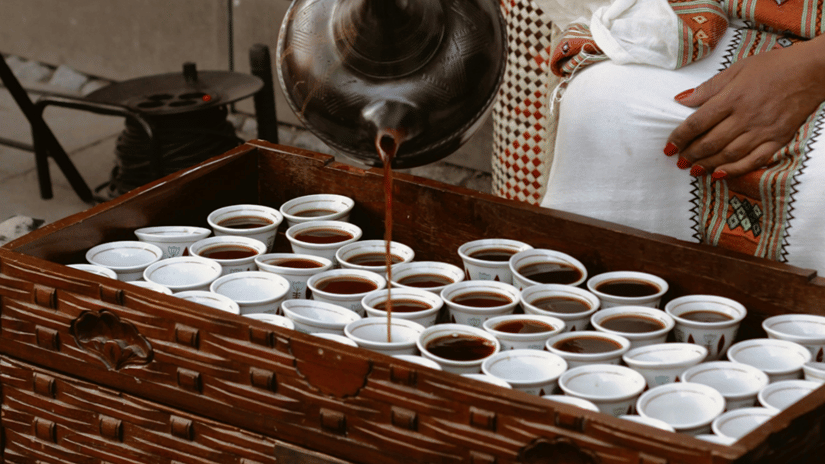
- Ethiopian Coffee Ceremony
- Meskel Square, Addis Ababa
- Business Stays near UNECA
- Your Guide to the Best Business Hotel in Addis Ababa
- Ethiopian Food Guide & Best Restaurants in Addis Ababa
- Bole, Addis Ababa
- Top Places to Visit in Addis Ababa
The best time to visit Addis Ababa is the dry season, running from November to February. Daytime highs during these months sit in the low-to-mid 20s°C, with rainfall staying close to minimal.
That consistency shifts the real planning question away from escaping bad weather and toward choosing between quieter months and the festival calendar. Visitors travelling outside the dry window still find plenty to do, since even the wettest months rarely derail a well-planned itinerary. This guide covers the monthly weather, the 2 rainy seasons, the festivals worth timing a trip to, and where to stay.
Mild Air at 2,355 m: Addis Ababa's Climate
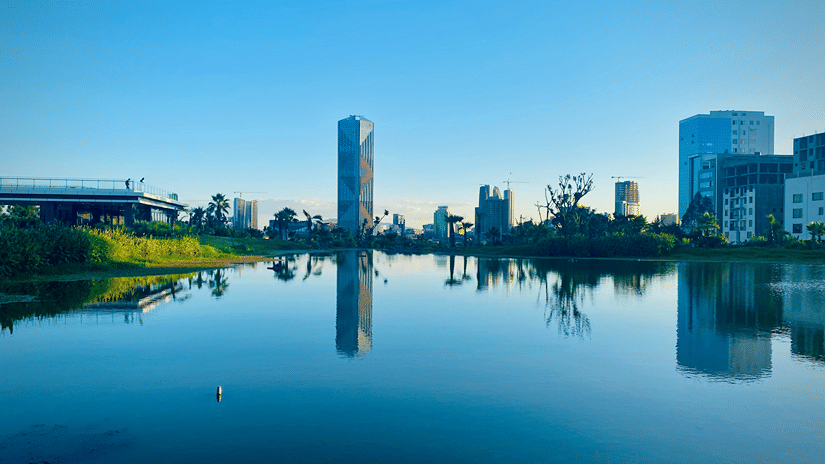
Addis Ababa sits at 2,355 m (7,726 ft.) above sea level, giving the city a mild climate despite its location near the equator. Average daytime temperatures range from the low 20s to around 26°C, while nights dip to about 8°C during the coolest months, creating a climate closer to a temperate spring than a tropical capital.
The best time to visit Addis Ababa depends largely on rainfall rather than temperature. Pack light layers for the cooler mornings and evenings, along with sunscreen and sunglasses for time outdoors, including on overcast days.
Addis Ababa Weather by Month
The table below breaks down Addis Ababa weather by month, drawing on long-term climate averages for the city. Temperatures barely shift across the year, but rainfall swings dramatically between the driest and wettest months.
November through January make up the driest stretch of the year, while July and August bring by far the heaviest rain.
| Month | Avg High | Avg Low | Avg Rainfall |
| January | 24°C | 9°C | 13 mm |
| February | 25°C | 10°C | 34 mm |
| March | 26°C | 12°C | 66 mm |
| April | 25°C | 12°C | 91 mm |
| May | 25°C | 12°C | 76 mm |
| June | 24°C | 12°C | 119 mm |
| July | 21°C | 12°C | 238 mm |
| August | 21°C | 12°C | 242 mm |
| September | 22°C | 11°C | 132 mm |
| October | 23°C | 10°C | 32 mm |
| November | 23°C | 8°C | 5 mm |
| December | 23°C | 8°C | 8 mm |
When the Rains Arrive: Belg and Kiremt Seasons
The rainy season in Addis Ababa splits into 2 distinct periods, rather than a single continuous stretch. Belg, the short rains, runs from March to May and brings scattered, lighter showers that rarely disrupt a full day of sightseeing. Kiremt runs from June to September and accounts for the bulk of the year's rainfall. July and August bring the heaviest, most consistent downpours of the entire Kiremt rainy season.
Kiremt is the season to plan around, since heavy cloud cover and frequent rain can affect outdoor plans for days. Belg is more manageable by comparison, with most storms passing within an hour or 2 and clear skies returning soon after. A trip during Belg works well with a flexible daily schedule, since mornings stay dry even when an afternoon shower is likely. Kiremt calls for more planning around indoor alternatives, since a week of steady rain is common at the height of the season.
The Best Time to Visit Addis Ababa
The dry, mild window from November to February suits anyone prioritising clear skies and comfortable walking weather. January and February draw the heaviest demand, since dry conditions overlap with the hotel's own peak season and Valentine's Day. Booking several weeks ahead is worth the effort for anyone travelling during these 2 months.
Travellers who prefer thinner crowds might lean toward November or early December, when the dry season has started but demand stays low. Clear, dry days across this stretch make it easier to spend a full afternoon at sites like the Holy Trinity Cathedral. A morning could just as easily go toward the National Museum's collection instead, without weather forcing a change of plan.
The shoulder months of late September and October offer a middle ground worth considering too. The Kiremt rains have just ended, the hills around the city are at their greenest, and January's crowds are yet to arrive. It suits travellers who value scenery over guaranteed dry days, and pairs well with the city's top places to visit.
Festivals by Season
Several of Ethiopia's biggest festivals fall within months of each other, which makes it straightforward to time a trip around them. All 4 dates below follow the Ethiopian calendar, landing on the same Gregorian day most years and shifting around a leap year.
Genna (7 January): Ethiopian Christmas, marked by church services that often run through the night and continue into the following morning
Timkat (19 January, 20 in a Leap Year): Ethiopia's largest Epiphany celebration, marked by colourful processions over 2 days
Enkutatash (11 September): The Ethiopian New Year, celebrated with yellow daisies, family gatherings and the start of the dry season
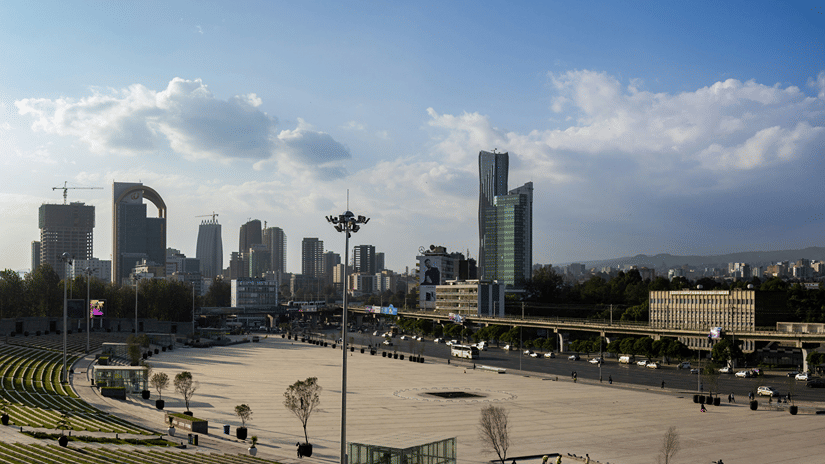
Meskel (27 September): Meskel Square, a large bonfire ceremony marking the finding of the True Cross
Festival season is also when traditions like the Ethiopian coffee ceremony are easiest to encounter first-hand. The wider range of dishes covered in the city's food guide tends to feature more too.
Beyond Addis: The Best Time to Visit Ethiopia
The best time to visit Ethiopia beyond Addis Ababa follows a similar pattern, though regional variation matters more once travel extends further afield. The northern highlands share Addis Ababa's dry-season advantage from November to February, while lower-altitude regions run hotter across those same months.
Northern highland routes built around Lalibela and the Simien Mountains follow Addis Ababa's own dry-season pattern most closely. The same November-to-February window works well for those northern routes too, without much regional adjustment needed. Lower-altitude stops such as the Danakil Depression run hot enough that the cooler months matter even more for comfort.
Travellers building a longer Ethiopian itinerary around Addis Ababa can generally use this same window as a starting point. From there, the plan can adjust for the specific altitude and terrain of wherever the trip heads next.

Stay at Ramada by Wyndham Addis in Addis Ababa
Make your arrival in Addis Ababa easy at Ramada by Wyndham Addis, around 3 km or an 11-minute drive from Bole International Airport. Use the complimentary airport transfer to get to the hotel without arranging a taxi after your flight, particularly handy when you arrive late or have a full day of travel behind you.
Choose a Superior King or Superior Twin Room for a straightforward stay, with the twin rooms overlooking the city. For more space, our Junior Suites offer a little more room to spread out, while Business King Rooms on the business floor pair skyline views with added comforts and complimentary facilities.
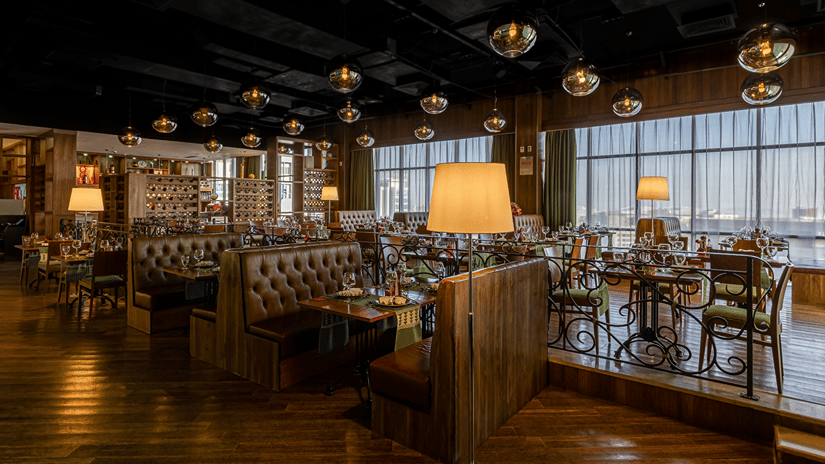
Keep your plans flexible with 7 dining and lounge venues across the hotel. Start with breakfast at Chef's Club, head to Junoon for Indian cuisine, pick up a pizza at Pizzarama, or make dinner an occasion at Fogo no Chão, the rooftop Brazilian churrascaria. Konnect Lobby Lounge and Bar and Oak Lounge offer places to pause over drinks, with live music and DJ performances at Oak Lounge.
Between outings, fit in a workout at our fitness centre, rejuvenate at Soreti Spa and Wellness, catch up on work at our business centre and co-working spaces, or simply leave the practicalities to our 24-hour front desk. Self and valet parking are also available, making our hotel a convenient choice whether Addis Ababa is a short stop or part of a longer itinerary.
A Trip Timed to Addis Ababa's Own Rhythm
The best time to visit Addis Ababa takes shape around the experiences you want from the city. January and February bring drier days and a fuller festival calendar, while the Kiremt rains bring a greener, quieter side of Addis Ababa. September adds the bonfires of Meskel, while December brings crisp mornings and a slower pace.
Plan your dates around the experiences you want, and stay at Ramada by Wyndham Addis for a convenient base near the airport. From festival days to quiet city mornings, the season sets the pace for your time in Addis Ababa.
FAQs
What is the best time to visit Addis Ababa?
The best time to visit Addis Ababa falls between November and February, when the dry season begins. Clear skies and daytime highs in the low-to-mid 20s°C define this stretch of the year.
How many rainy seasons does Addis Ababa have?
The rainy season in Addis Ababa splits into 2 periods, running from different months each year. Belg, lighter and shorter, runs from March to May, while Kiremt runs from June to September instead.
What is the coldest month in Addis Ababa?
December is the coolest month in Addis Ababa, with average lows around 8°C, though daytime highs still reach the low 20s°C.
When is the Meskel festival celebrated?
Meskel is celebrated on 27 September each year, marking the finding of the True Cross. A large bonfire ceremony takes place at the city's main square to mark the occasion.
How high above sea level is Addis Ababa?
Addis Ababa sits at 2,355 m (7,726 ft.) above sea level, which is unusually high for a capital city. That elevation keeps the city mild year-round, instead of the typical tropical pattern found near the equator.
How far is Ramada by Wyndham Addis from Bole International Airport?
Ramada by Wyndham Addis sits approximately 3 km from Bole International Airport, roughly an 11-minute drive from the hotel's doorstep. Every stay includes a complimentary airport transfer, which is especially useful for flights landing during the rainy season.