The story of this iconic market is inseparable from Ethiopia's colonial history. Before the 1930s, Addis Ababa's main market stood near St George Church in the Arada district, close to where the City Hall now stands. When Italian forces occupied Ethiopia and established Italian East Africa in the 1930s, they relocated the market further west to the area around the premises of Fitawrari Habte Giyorgis Dinagde, naming it Merkato Dinagde. The move was part of a wider policy of urban segregation. The St George market was effectively reserved for Europeans, which pushed Arab traders to relocate roughly half a mi to the west. Ethiopian shopkeepers gradually replaced these merchants, and by the 1960s, the market had taken on a distinctly local character it has retained ever since.
Over the following decades, the market expanded organically:
Temporary shelters gave way to a dense mix of permanent structures, stalls, and open yards.
A significant fire in 2013 accelerated modernisation, prompting the construction of newer, more resilient structures alongside the older ones.
Today, the market functions as a commercial artery for the Ethiopian economy, a distribution point for agricultural goods from across the country, and a livelihood for tens of thousands of families.
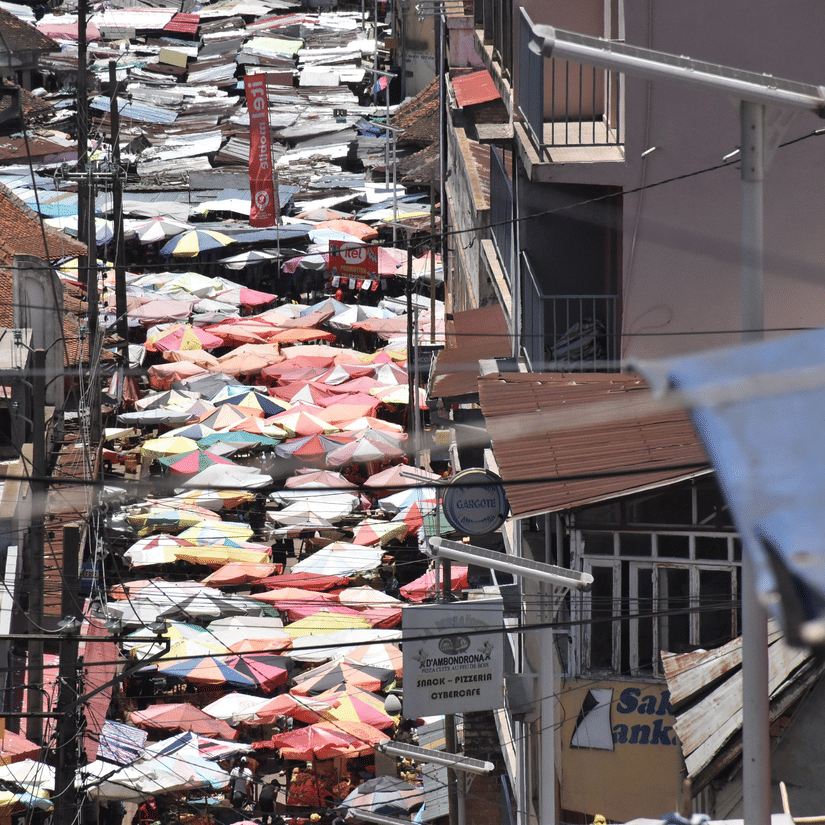
The title of the largest open-air market in Africa is not an exaggeration. The market covers several sq. mi in the Addis Ketema district, and its scale becomes most apparent when you are standing inside it. There is no single entrance, no map, and no clear boundary where one section ends and another begins.
Key facts about the market's scale:
Over 7,100 registered business entities operate within the market.
An estimated 13,000 people are directly employed, with thousands more in the surrounding informal economy.
The market includes over 120 permanent stores and a shopping centre housing an additional 75 shops.
Primary merchandise includes locally grown agricultural products, with Ethiopian coffee the most prominent.
The market's land lease value per sq. m is among the highest in all of Ethiopia, a measure of the commercial intensity within its boundaries.
Electronics, textiles, livestock, spices, handcrafted goods, household items, and medicinal herbs all move through the narrow lanes and open yards of the Addis Ketema district daily. The volume and variety of goods are what distinguish this market from any other on the continent.
Ethiopian Coffee and Spices
Coffee is the most culturally significant product in the market:
Over 100 coffee merchants operate here, each selling their regional variety.
Beans range from the fruity, wine-like varieties of Yirgacheffe to the full-bodied beans of Sidama and Harar.
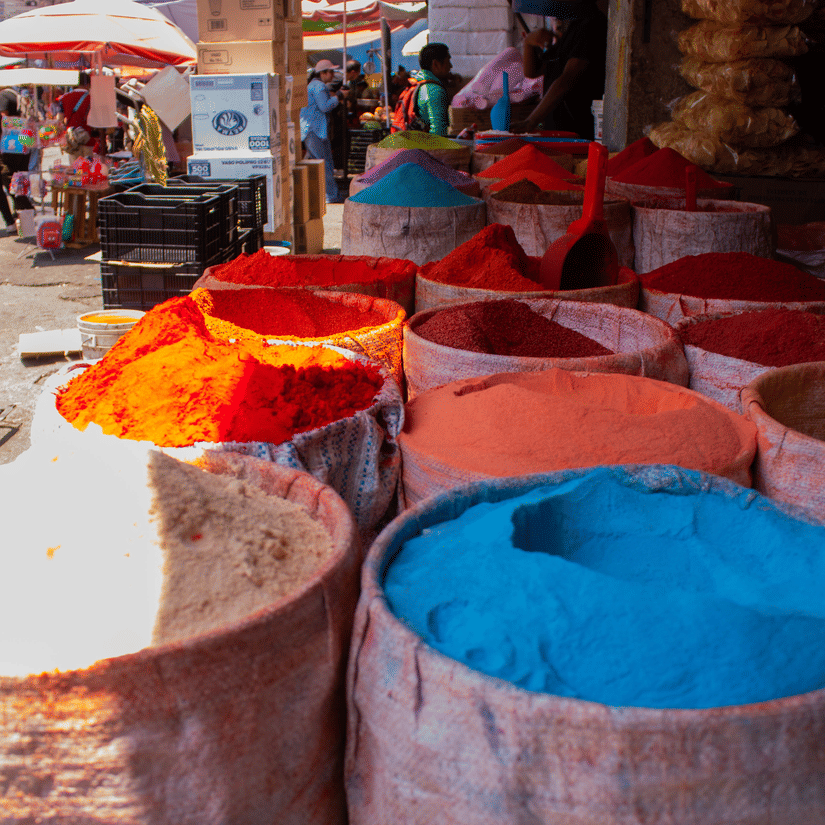
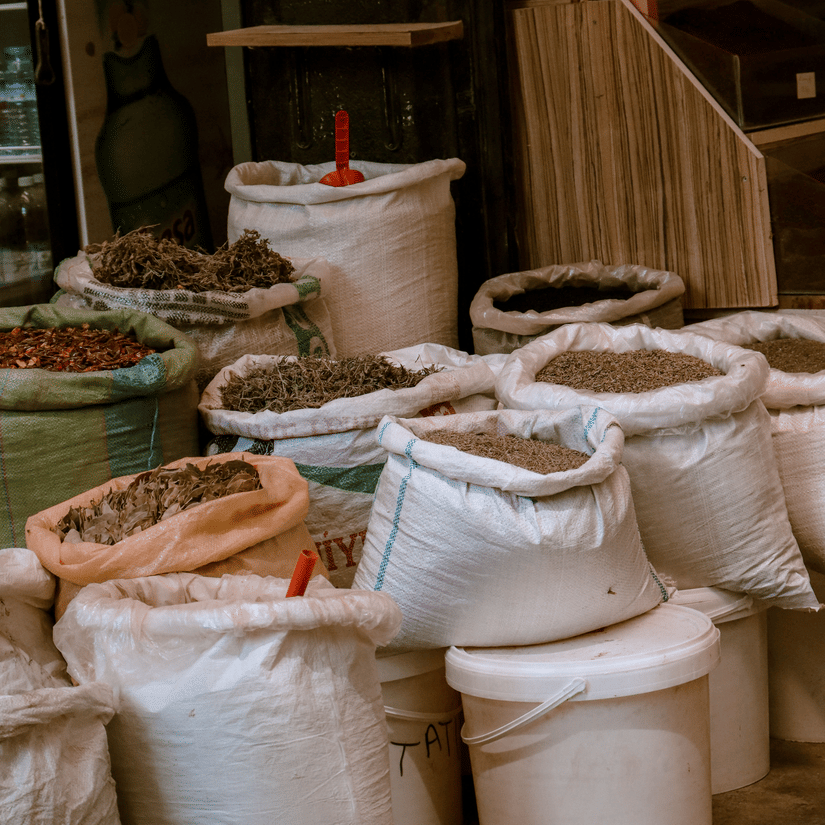
Key spices available include berbere (a complex chilli blend), mitmita (a sharp, clove-forward spice mix), niter kibbeh (spiced clarified butter), and korerima (Ethiopian cardamom).
Many spice merchants have occupied the same spot for generations, and their knowledge of their product is unparalleled.
Fresh Produce and Grains
The produce sections of the market supply a significant portion of Addis Ababa's food needs:
Stalls are stacked with papayas, mangos, lemons, oranges, pomegranates, and passion fruits.
Grains, including teff (the foundation of injera, Ethiopia's staple flatbread), incense, and turmeric, are sold in large quantities.
Cultivated in small plots on the city's fringes, most fresh produce is delivered to the market on foot or by lorry.
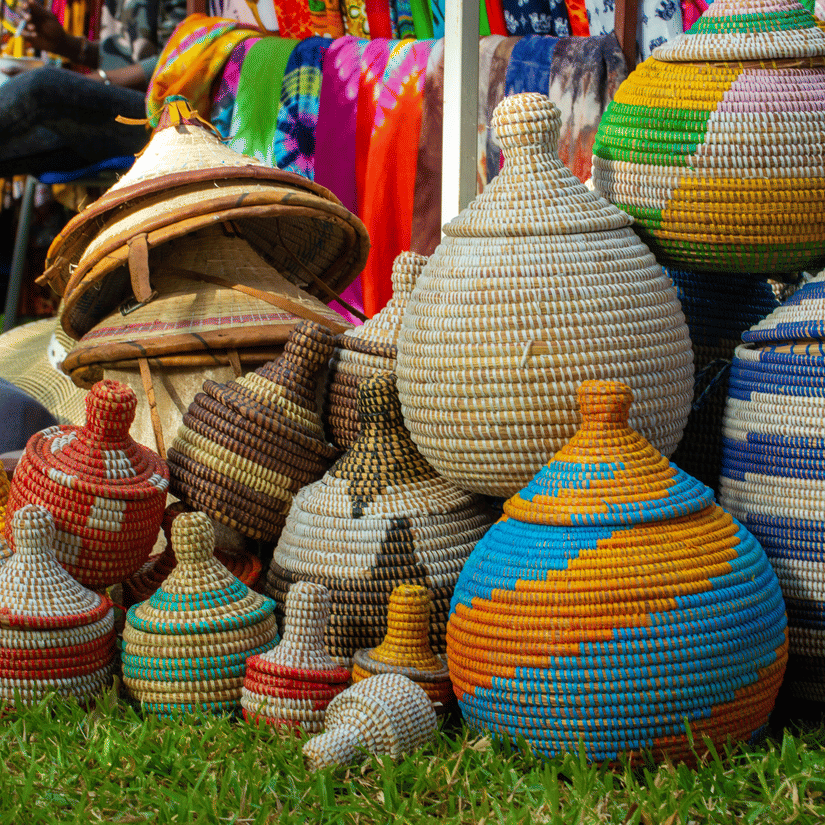
Handmade Crafts and Textiles
The craft sections are among the most rewarding areas of Addis Mercato:
Handwoven baskets, wooden carvings, leather goods, silver jewellery, and pottery are widely available.
Ethiopian textiles, particularly the white cotton shawls with coloured embroidered borders known as habesha kemis and netela, are sold alongside imported fabrics.
Much of the craft output is produced by local artisans, making purchases here a direct investment in Ethiopian craftsmanship.
Household Goods and Street Food
The market serves the full breadth of everyday domestic needs:
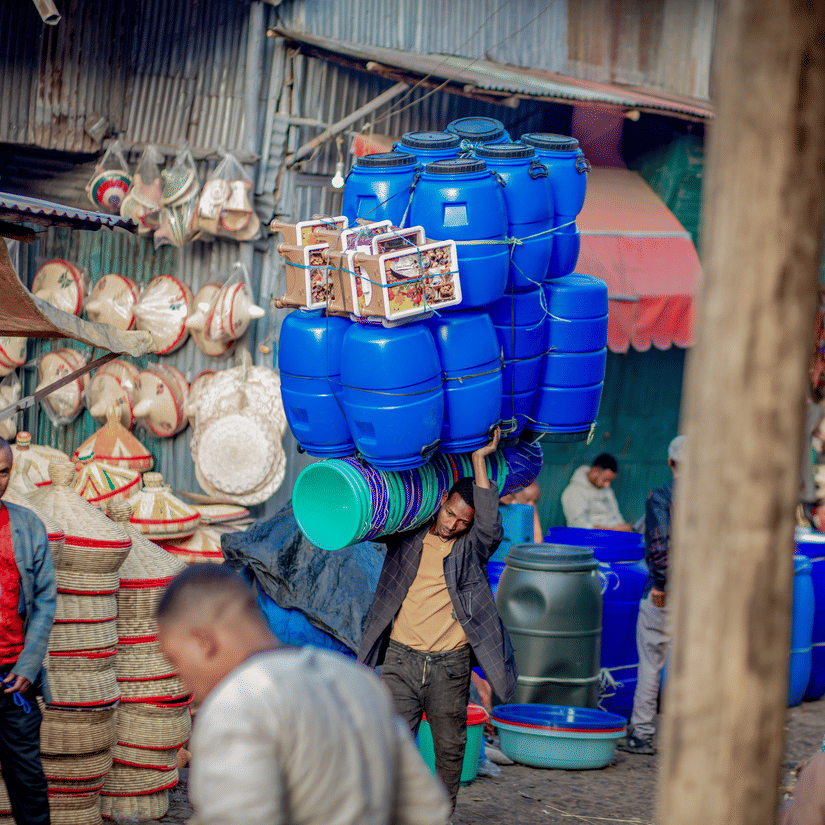
Goods range from cooking pots and ceramic jars to mobile phone accessories and electrical fittings.
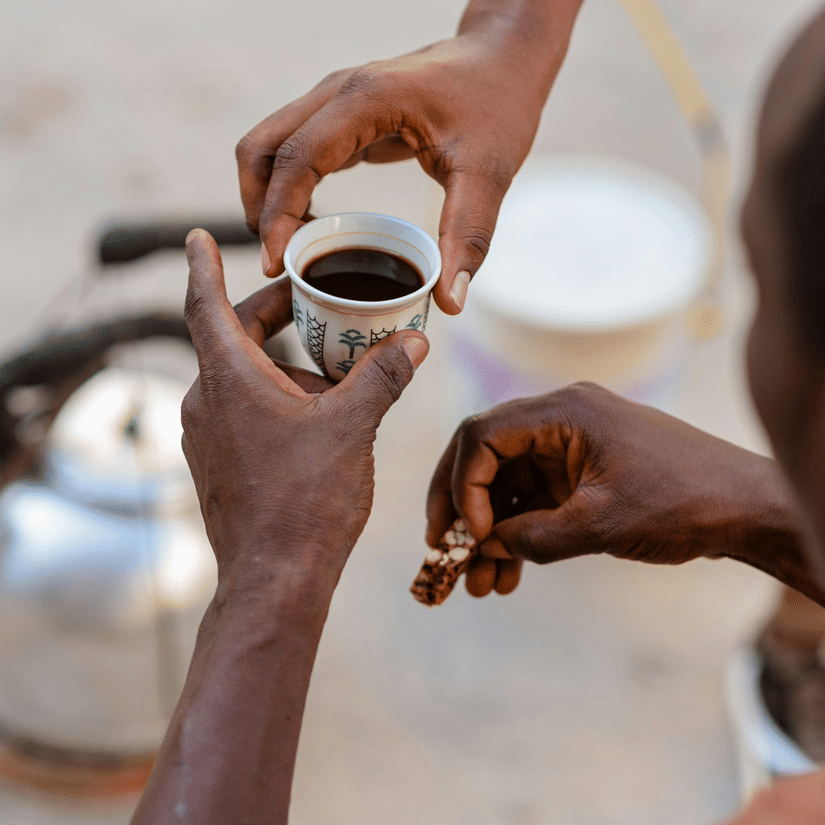
Street food vendors throughout the market serve samosas, firfir (spiced torn injera), and freshly brewed bunna (Ethiopian coffee).
These food stalls offer an authentic, unhurried way to experience local food culture without leaving the market.
Practical Tips for First-time Visitors
The Best Time to Visit
The market operates Monday through Saturday.
Weekday mornings between 8:00 AM and 11:00 AM offer the best experience: active, well-stocked, and before the midday crowds build.
Avoid rainy days where possible, as unpaved sections become difficult to navigate.
Explore with a Local Guide
Visiting with a local guide is strongly recommended:
The market covers a large area with no official maps or English signage.
A guide helps navigate between sections, communicate with vendors, and identify products relevant to your interests.
Guides also help visitors avoid being overcharged, which is standard practice for those who appear to be tourists.
Bargaining Culture
Bargaining is accepted and expected throughout the market.
Prices quoted to foreigners are routinely higher than those offered to locals.
Approach negotiations with patience and good humour rather than aggression for better outcomes.
Safety Tips
Pickpocketing occurs in the most crowded sections of the market.
Carry only the cash you intend to spend and keep valuables secured inside clothing.
Stay aware of your surroundings, particularly in narrow lanes with heavy foot traffic.
Visiting with a guide significantly reduces the most common risks.
Getting There
The market is located in the Addis Ketema district, roughly 2 km west of the Piazza area.
Traffic around the market is consistently heavy. Disembarking from a taxi a short distance away and walking in is often faster.
Porter services are available throughout the market for carrying purchases.
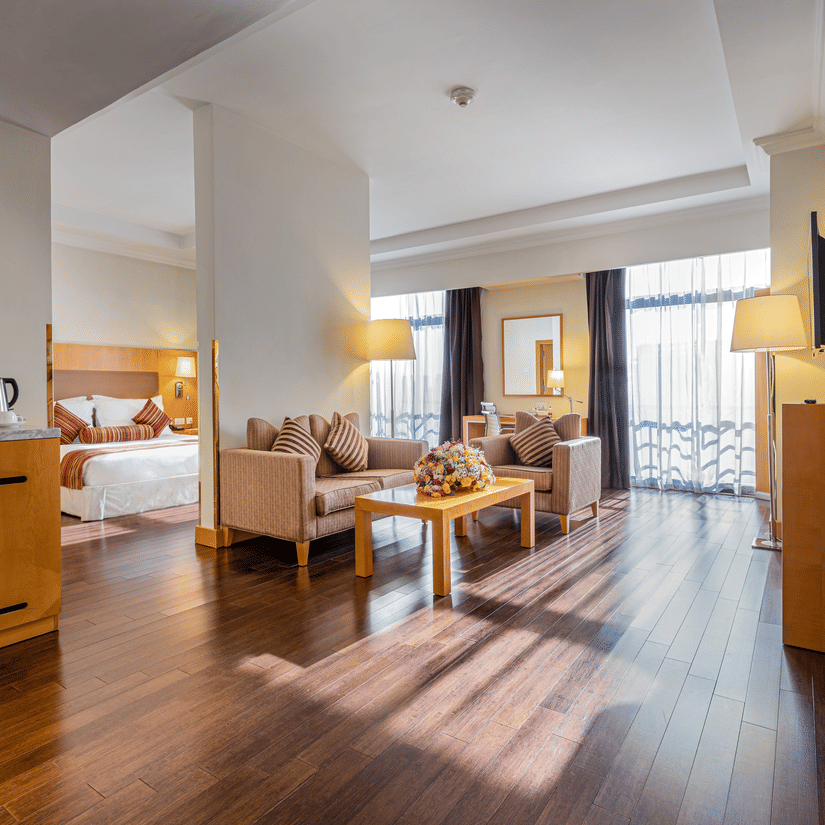
After a day navigating the sensory intensity of Mercato Market, returning to a well-appointed hotel makes an enormous difference. Ramada by Wyndham Addis, Addis Ababa, is located in the Bole district on the city's main road, around 9 km from the market and within walking distance from Bole International Airport, with complimentary airport transfers included.
Rooms and Suites: Choose from 134 well-appointed rooms across Superior King, Business King, Superior Twin, and Junior Suite categories. Enjoy modern comforts such as high-speed Wi-Fi, a flat-screen TV, a minibar, an in-room safe, and tea and coffee-making facilities in every room.
Dining: Explore seven distinctive dining and lounge venues, from Fogo no Chão, the rooftop Brazilian churrascaria, and Chef's Club, serving all-day international dining with local specialities, to Junoon Indian Cuisine, Palace Court Restaurant, Pizzarama, offering handcrafted pizzas prepared with premium ingredients and authentic Italian recipes, Konnect Lobby Lounge and Bar, and Oak Lounge with live music and DJ performances.
Facilities: Recharge at the fitness centre and wellness facilities, catch up on work in the business centre with co-working spaces (Connect at Konnect), and take advantage of the 24-hour front desk, self and valet parking, and complimentary airport transfer services.