Face to Face with Lucy and Ancient Fossils
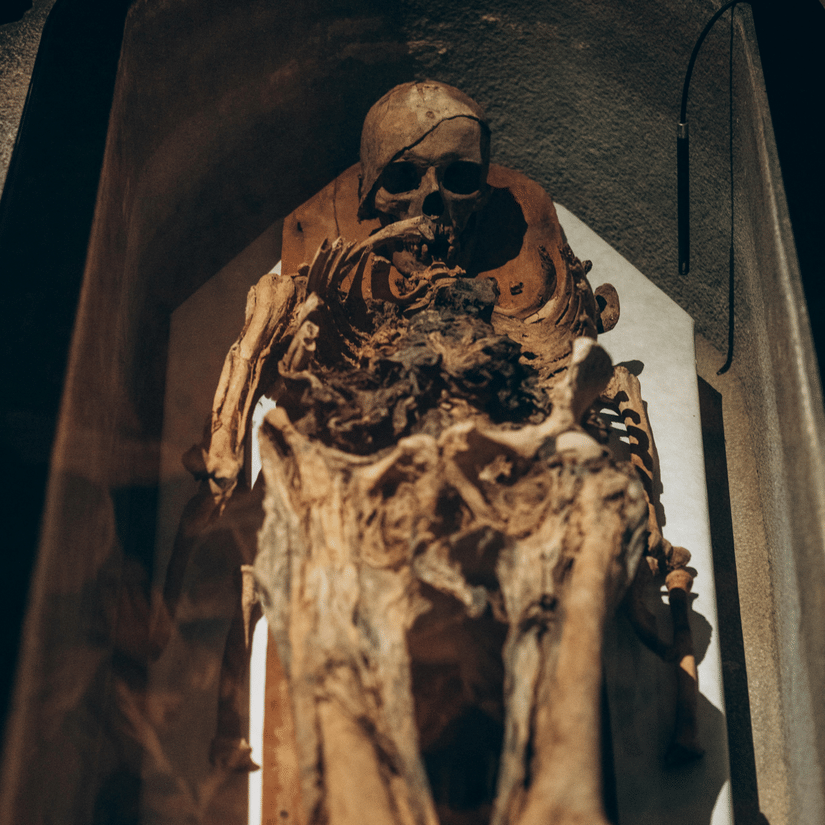
The most celebrated resident of the museum is undoubtedly "Lucy" (Australopithecus afarensis), known locally as Dink’inesh, meaning "you are marvellous". Discovered in 1974, this 3.2-million-year-old hominid skeleton revolutionised our understanding of human evolution by proving that bipedalism preceded large brain size. While the original bones are safely stored in a high-security vault to ensure their preservation, a perfect, high-quality replica is on permanent display for the public to admire.
- Selam (Lucy’s Baby): Visitors can also view the remains of "Selam," a 3.3-million-year-old child of the same species found between 2000 and 2004.
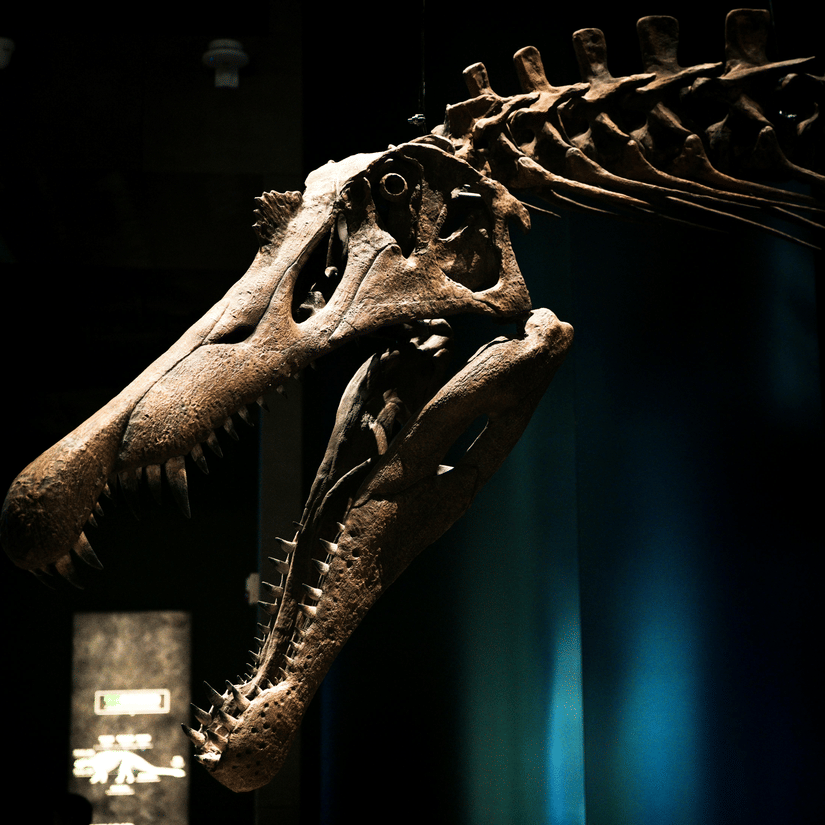
- Prehistoric Fauna: The fossil galleries feature incredible specimens of extinct animals, including giant pigs and sabre-toothed cats that once roamed the Horn of Africa.
- Human Evolution: Detailed anatomical displays compare early hominid structures with modern humans, offering a clear visual timeline of our biological journey.
A Journey Through the Museum’s Four Levels
To ensure a seamless flow, the museum is structured into 4 distinct gallery levels, each dedicated to a different era of time. This organisation allows visitors to move chronologically from the origins of life to the complexities of modern Ethiopian society.
- Basement Level (Palaeontology): This is the heart of the museum, where the world-famous hominid fossils and geological timelines are showcased.
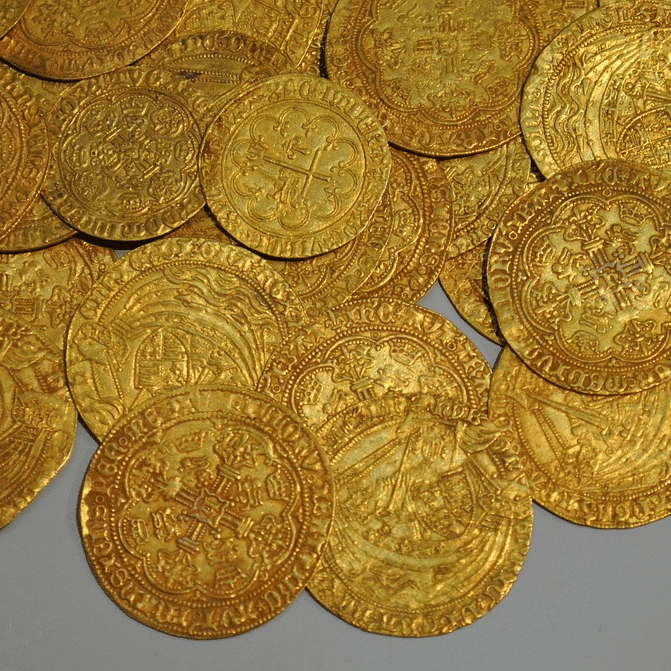
- Ground Floor (Ancient History): Dedicated to the pre-Aksumite and Aksumite periods, this level displays stone inscriptions in Ge'ez and Sabaean scripts, alongside 4th-century BC rock-hewn chairs.
- First Floor (Art and Memorabilia): Here, you will find royal treasures, including Emperor Haile Selassie's ornate wooden throne and medieval Orthodox Christian paintings.
- Second Floor (Ethnography and Modern Art): The top floor displays the cultural diversity of Ethiopia through traditional clothing, musical instruments, and contemporary oil paintings like Afewerk Tekle’s "African Heritage."
Essential Visitor Information for 2026
A visit to the National Museum of Ethiopia requires some practical planning to make the most of the experience. The museum is located on King George VI Street in the Arada district, conveniently situated near the Addis Ababa University campus.
- Timings: The museum is generally open Tuesday to Sunday from 9:00 AM to 5:00 PM; please note that it is frequently closed on Mondays and major Ethiopian public holidays.
- Entry Fees: For 2026, foreign nationals are charged a modest fee of approximately 100-200 ETB, while students and locals pay a reduced rate (subject to recent updates).
- Photography: Photography is permitted in most galleries without a flash, though certain sections with sensitive artefacts may have restrictive signage.
- Guided Tours: While local guides often wait at the entrance, it is recommended to arrange a professional tour in advance if you desire a deep academic dive into the exhibits.
Cultural Significance of the Cradle of Humanity
Understanding why this museum is essential requires looking beyond the glass cases; it is a symbol of African pride and scientific achievement. Ethiopia is often referred to as the "Cradle of Mankind," and the Ethiopian National Museum in Addis Ababa provides evidence that supports this title. It tells the story of a nation that successfully resisted colonial rule and preserved a unique script, religion, and social structure for millennia.
The museum’s collection of religious art, particularly the illuminated manuscripts and processional crosses, highlights the deep-rooted Christian heritage that has defined the region since the 4th century. For many visitors, seeing the continuity between ancient stone tools and modern artistic expression provides a powerful sense of resilience. It is more than a building; it is a testimony to the enduring spirit of the Ethiopian people and their contribution to global history.
Why Choose Ramada Addis for Your Cultural Stay
After a day of exploring millions of years of history, returning to a space of modern comfort is essential for the discerning traveller. Ramada by Wyndham Addis Ababa stands as the ideal accommodation choice, offering a central location that provides easy access to the Addis Ababa National Museum and other key landmarks like the Holy Trinity Cathedral. Our hotel ensures that your cultural exploration is balanced with international standards of hospitality, featuring world-class amenities and seamless connectivity to the city's diplomatic hub.
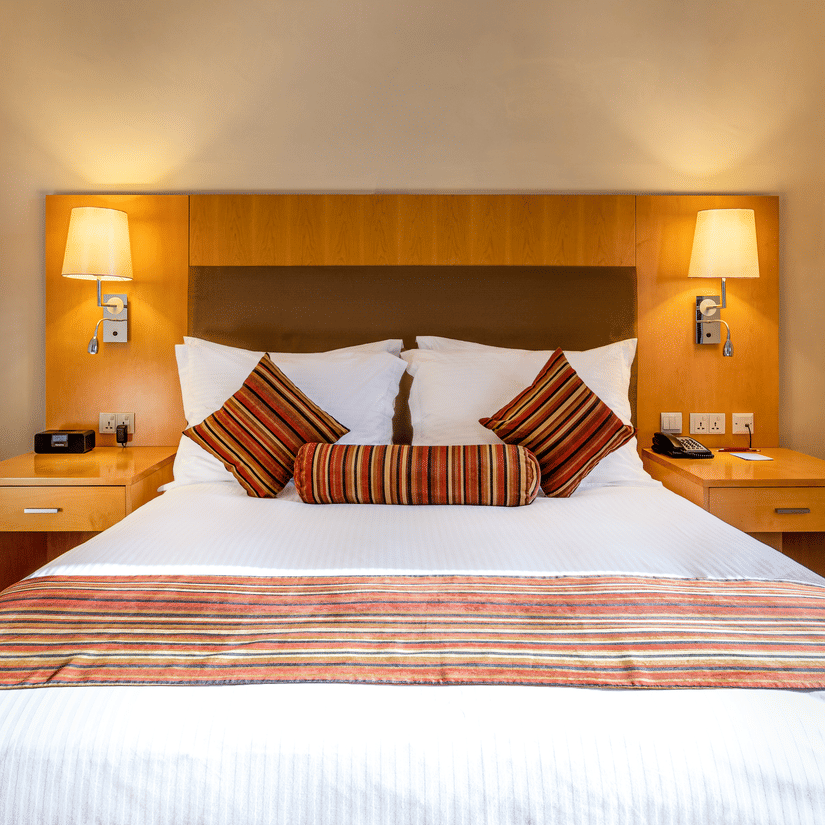
The property features 136 elegantly appointed rooms and suites, each designed with plush bedding and contemporary decor to provide a restful retreat. Guests can indulge in diverse culinary experiences, from the vibrant international buffet at our signature restaurant to refined cocktails at our rooftop lounge with panoramic city views. Located just minutes from the airport and the Arat Kilo heritage district, the hotel offers a 24-hour fitness centre, professional meeting spaces, and dedicated concierge services to manage your museum transfers.