The History of Holy Trinity Cathedral, Ethiopia
The construction of the Holy Trinity Cathedral began in 1931 under the patronage of Emperor Haile Selassie I near the Ethiopian Parliament and was completed in 1943 after the liberation of Ethiopia from Italian occupation. The cathedral was built to commemorate the country’s victory and to honour those who fought for national freedom.
It serves as the seat of the Ethiopian Orthodox Tewahedo Church in Addis Ababa and remains one of the highest-ranking religious sites in the nation. Over the decades, Holy Trinity Cathedral, Ethiopia, has hosted significant state and religious ceremonies, reinforcing its position in national life.
Notably, the cathedral is the final resting place of Emperor Haile Selassie and Empress Menen Asfaw, whose tombs are housed within the grounds. Due to their burial at the Holy Trinity Church, Addis Ababa further boasts it as a site of pilgrimage, international religious meetings, and remembrance.
Architectural Grandeur and Artistic Highlights
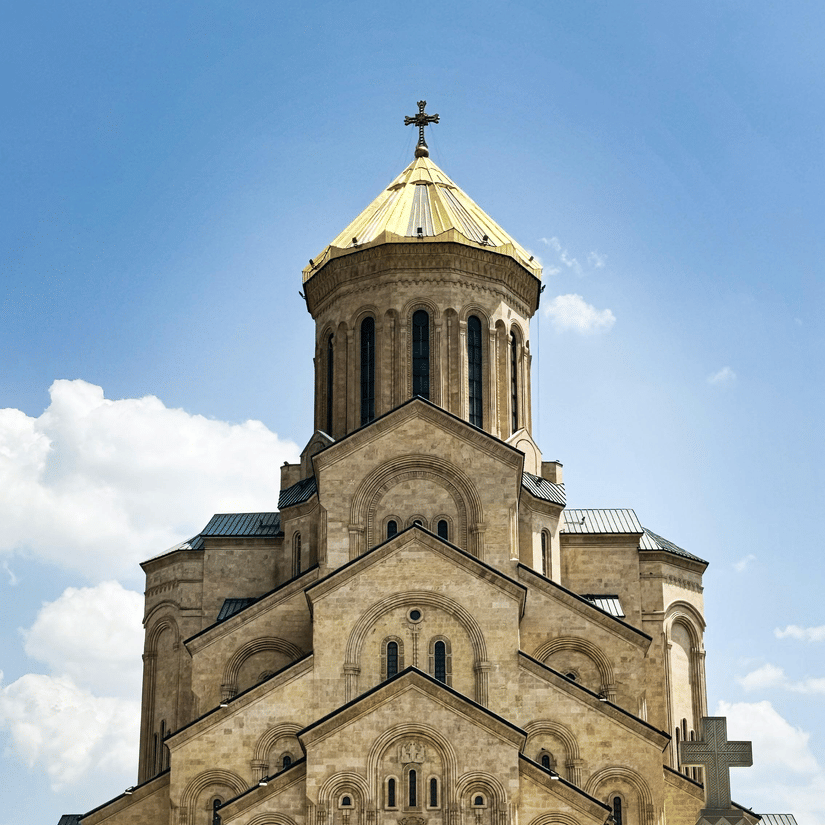
The architectural design of the Holy Trinity Cathedral in Addis Ababa blends traditional Ethiopian elements with European influences. Its grand dome, ornate facade and towering structure create an imposing yet elegant presence. Its key highlights include:
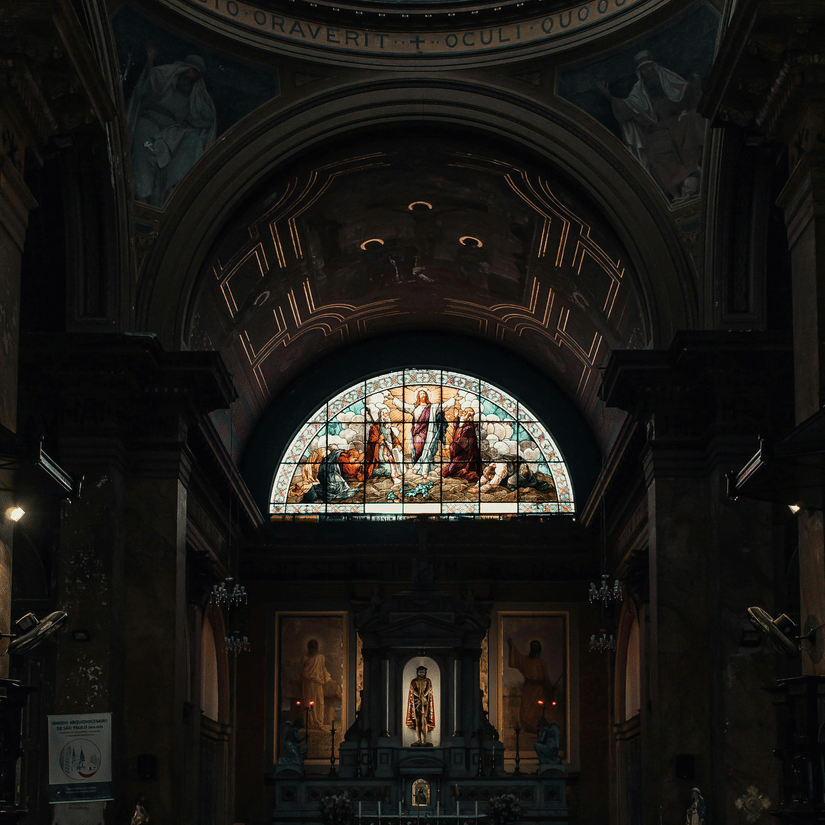
- Magnificent stained-glass windows depicting scenes from the Old Testament and the New Testament
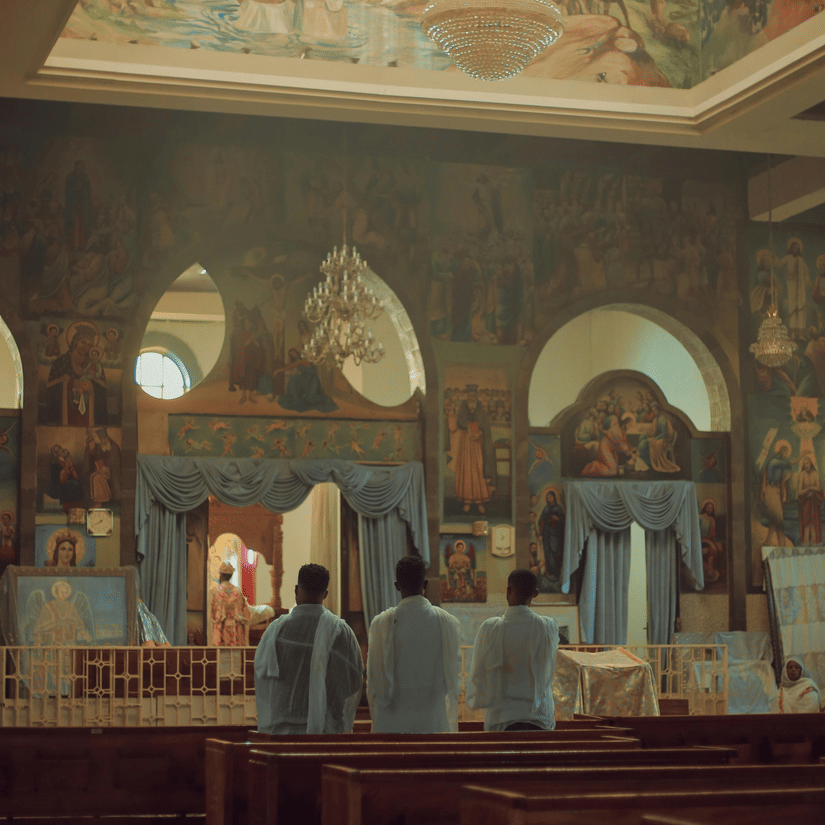
- Intricate murals and religious paintings
- Sculpted stonework and decorative carvings
- Imperial tombs of Emperor Haile Selassie and Empress Menen
- A cathedral museum showcasing ecclesiastical artefacts, crowns, and manuscripts
- A set of two imperial thrones made of white ebony, ivory and marble
- A monument commemorating the military and civilian officials killed during the Italian occupation
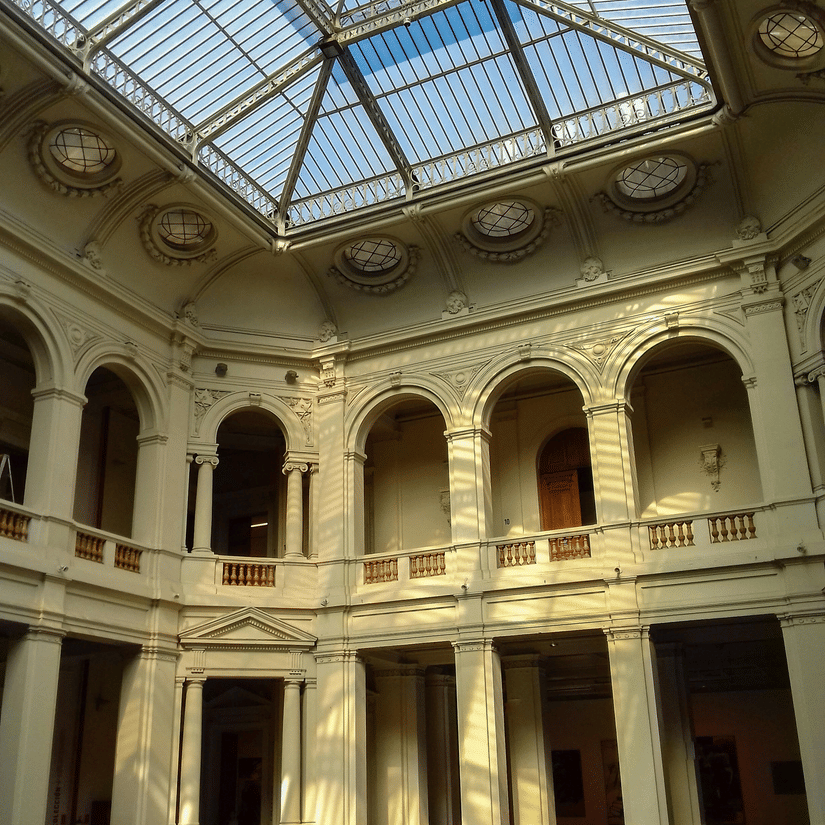
Inside the Holy Trinity Cathedral, visitors are greeted by high vaulted ceilings and richly detailed interiors. With the blend of art, symbolism and craftsmanship at the Holy Trinity Church, Addis Ababa is regarded as not only a religious sanctuary but also an architectural treasure.
Cultural and Spiritual Significance
More than a monument, the Holy Trinity Cathedral is an active place of worship. Major religious celebrations, including religious festivals and national commemorations, are held here throughout the year.
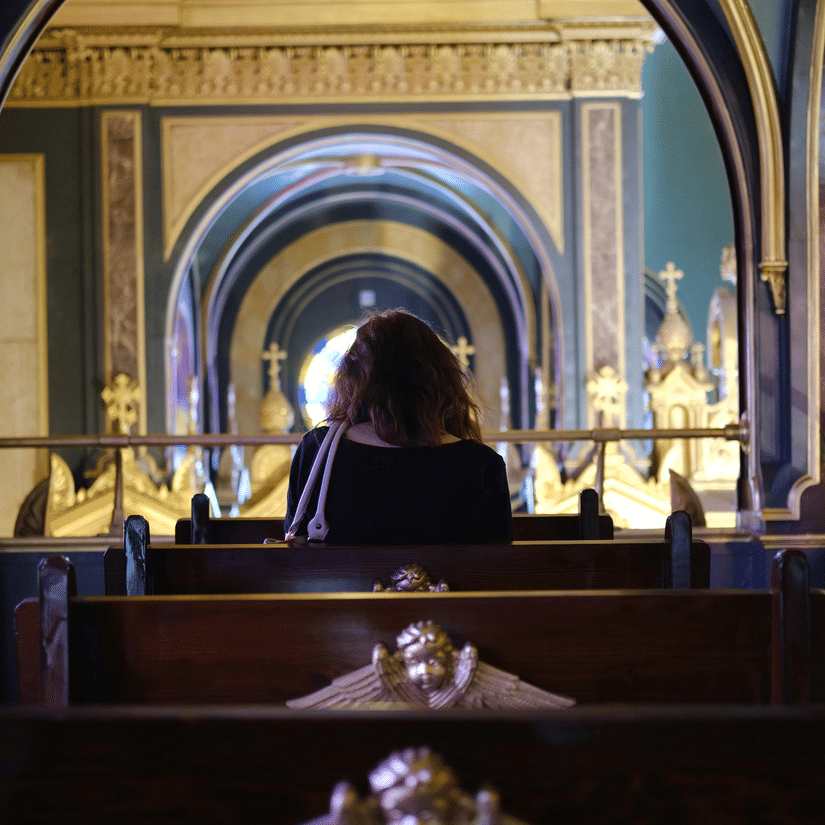
The cathedral symbolises Ethiopia’s enduring faith and independence. For many locals, the cathedral represents national pride and spiritual continuity. Pilgrims and visitors alike gather to reflect, pray, and connect with Ethiopian heritage.
Visitor Information and Practical Tips
Entry & Timings
- Generally open daily during daylight hours
- Cathedral entry is free
- A small museum entry fee may apply.
Dress Code
- Modest clothing required
- Shoulders and knees should be covered.
Photography
- Photography usually permitted outside
- Interior photography may require permission.
Best Time to Visit
- Morning hours for peaceful exploration
- Weekdays are typically less crowded.
Location, Accessibility, and Nearby Attractions
To reach the Holy Trinity Cathedral, Addis Ababa city offers easy access by taxi or local transport. The Arat Kilo area connects conveniently to key city landmarks near the cathedral as well.
Nearby attractions include:
- National Museum of Ethiopia (~1 km): Famous for its archaeological treasures with ancient hominid fossils, medieval artefacts, traditional arts and crafts, and Ethiopia’s rich heritage
- Unity Park (~2 km): Houses a zoo with black-maned Ethiopian lions and other wild species, an aquarium, and historical buildings
- Entoto Hills (~11 km): Offers a scenic view of Addis Ababa, features monasteries, and the palace of Emperor Menelik II
Combining the Holy Trinity Church with these sites makes for a well-rounded itinerary.
Stay Comfortably at Ramada by Wyndham Addis
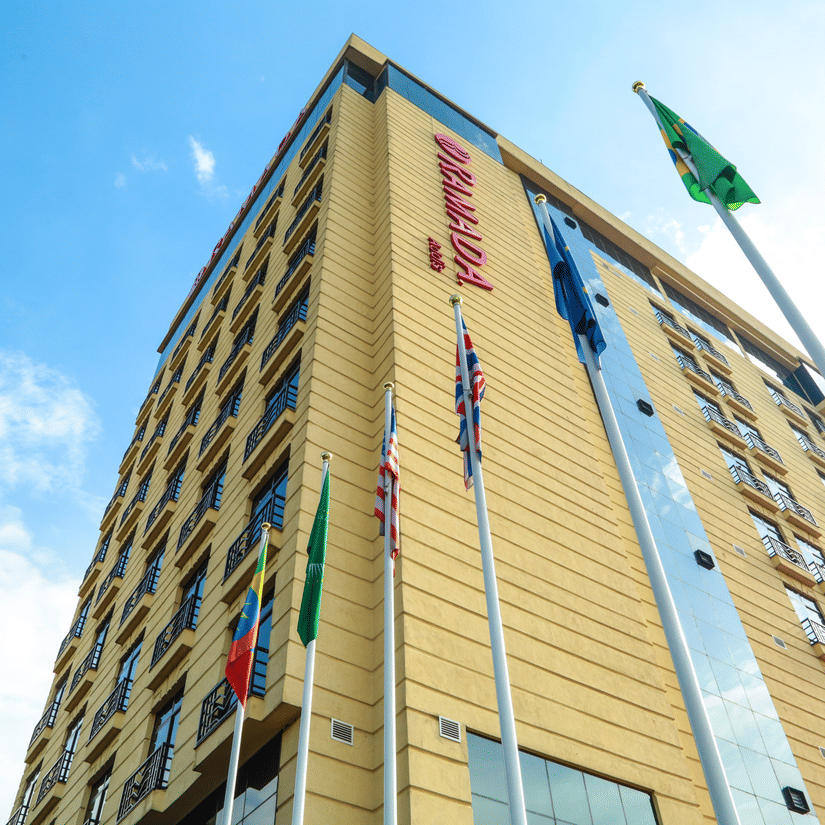
After exploring Holy Trinity Cathedral, Addis Ababa, retreat to Ramada by Wyndham Addis for ultimate comfort and convenience in the heart of the city. Located in the vibrant Bole district and about 6 km from the cathedral and its nearby attractions, the hotel offers an ideal base for travellers seeking both cultural discovery and urban comfort after a day of sightseeing.
The hotel features:
- Well-appointed rooms and suites designed with modern interiors and thoughtful amenities, including high-speed Wi-Fi, comfortable bedding and a relaxing atmosphere
- Six dining spaces offering diverse culinary options, including traditional Ethiopian dishes, Indian delicacies, Brazilian grilled meat cuts, and finger foods
- A fitness centre, spa facilities, valet parking, business services, and airport transfers